





Wolf Winner Withdrawal Steps On Mobile
You finish a session, you see a balance you like, and your thumb goes straight to the cashier. That’s the moment things either stay smooth or get messy. On a phone, one wrong tap can create confusion: two requests, the wrong method, a typo in a wallet address. So the first rule is simple. Slow down.
Suppose you’re in Australia on mobile data and your signal drops right as you confirm. You don’t need a panic refresh loop. You need one check: open the transaction history and see whether the request is listed. If it’s listed, you already did your part. If it isn’t, wait for the screen to fully reload, then try again once on a stable connection.
A calm cashout starts before you press anything. Close background apps. Charge the phone. Turn off Low Power Mode for five minutes (yes, it matters). Then go in and submit one clean request. One.
And keep your expectations realistic. Processing has stages. Some move fast. Some don’t. The goal is not to “force” speed. The goal is to avoid self-inflicted delays.
Preparing Before You Tap Cash Out
You open the cashier and you pick a route. Before you type an amount, check the basics: minimum and maximum limits, the currency shown, and whether a promo is still active in your account. That last one is huge.
Suppose you played with a bonus earlier and part of your balance is locked behind requirements. If you ignore that and request everything, you’ll stare at a smaller eligible amount and feel annoyed. Better move: check the eligible figure first, then decide what you actually want to request.
Also, keep your profile stable on payout days. If you changed email, phone, or payment route five minutes ago, expect extra checks. Do admin edits on a quiet day, not right before a payout.
Submitting One Clean Request
You enter the amount, confirm the destination details, and press submit once. Then you stop touching it. That’s the discipline.
Suppose you notice a mistake after submitting. Don’t cancel instantly. Check the status first. If it’s already in review, canceling can restart a queue position. If you’re unsure, message support and ask what they want you to do. One question. One answer.
If the app freezes during confirmation, don’t double-submit. Exit the cashier, reopen it, and check history. The history screen is your truth.
Wolf Winner Casino Withdrawal Times: What Changes
People ask for a single number. “How long does it take?” And the honest answer is a range. Timing is shaped by two legs: internal review and external delivery.
Suppose you submit a request on a Tuesday afternoon, same phone, same route you used last time, no recent profile edits. That looks normal, so review can be smoother. Now flip the scene: Friday night, new phone, hotel Wi-Fi, new payout method. That looks noisy. Noisy patterns trigger extra checks.
There’s also the calendar. Banks and transfers care about business windows. Wallet services can have their own batch timing. Crypto networks care about congestion and confirmations. None of this is personal. It’s just how rails behave.
Review Queue Vs Delivery Queue
When your status says “in review,” that’s the platform side working through checks and queue position. When it says “approved,” that’s the handoff point. After approval, the delivery rail becomes the main factor.
Suppose you keep refreshing after approval and nothing changes in the app. That may be normal, because delivery is happening outside the casino interface. Check your bank or wallet side instead of hammering refresh.
Weekends, Cutoffs, And Travel Days
If you submit close to a cutoff, the request can roll into the next processing window. That’s why timing feels different on weekends.
Suppose you’re traveling inside Australia and you submit right after switching networks. Some systems treat sudden location changes as risk signals. A simple trick: log in, browse, maybe play a short normal session, then submit later from a stable connection. It looks consistent.
New Device, New Method, New Checks
A new device can trigger extra review. A new payout route can do the same. Combine both and you increase the chance of a manual look.
Suppose you just upgraded your phone. Do a small test request first. Learn the flow. Then scale later. Small tests are boring. They also prevent big mistakes.
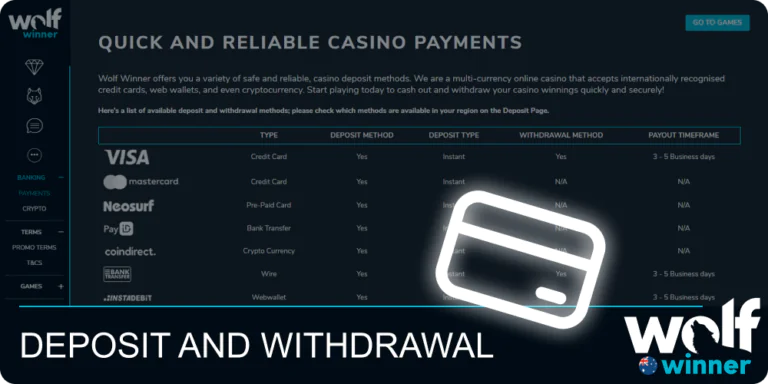
Choosing Cashout Routes And Setting Expectations
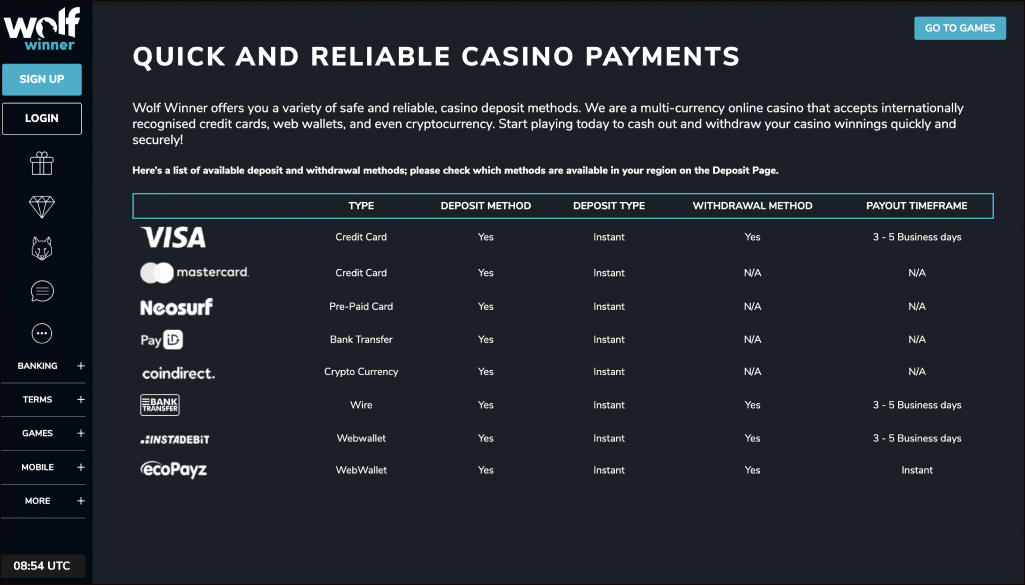
You don’t pick a payout method because it sounds cool. You pick it because you understand it and it fits your patience.
Suppose you want predictability. A bank-linked option can be fine, but it follows bank windows and occasional rules. Suppose you want fewer steps on mobile. E-wallet style routes can feel smoother. Suppose you like control and you don’t mind checking confirmations. Crypto transfers can fit, but only if you double-check network choices every single time.
Consistency matters more than the method itself. Switching routes every session creates mismatches and extra checks. Pick one, run a small test, then stick with it for a while.
Route Type | Internal Processing Feel | Delivery Rhythm | Best For | Watch-Out |
|---|---|---|---|---|
Bank-Linked Card | Clear steps when details match | Bank windows and cutoffs | Regular smaller requests | Weekend timing and bank rules |
E-Wallet Service | Fast mobile flow | Often steady delivery | Quick access and repeat use | Wallet limits and account security |
Digital Coin Transfer | Can be quick after approval | Confirmation-based arrival | Control and flexible transfers | Wrong network or address |
Bank Transfer | More formal checks | Business-day batching | Planned larger payouts | Extra validation and cutoffs |
Bank-Linked Options Without Stress
Suppose you want a simple routine. Use the same bank-linked route each time and avoid last-minute changes. Submit earlier in the day when you can, not at the edge of the night.
If your bank declines gaming transactions, don’t spam retries. Try another route or contact your bank. Repeating declines can lock you into a loop you don’t need.
E-Wallet Payouts For Mobile Convenience
Wallet routes can feel smoother on a phone because they cut down on forms. But protect the wallet itself. Strong password. App lock. No shared devices.
Suppose you log into your wallet on a friend’s tablet once. Log out and clear saved credentials right after. That tiny habit prevents surprise access later.
Crypto Transfers And Network Choices
Crypto payouts can be fast after approval, but they punish carelessness. One wrong network selection or a pasted address with an error can create a nightmare.
Suppose you’re doing it on a bus. Don’t. Sit down. Stable internet. Double-check the first and last characters of the address, then confirm the network. Only then submit.
Bonus Rules And Eligible Balance Confusion
This is where most arguments start. You see a balance. You expect it all to be ready. Then the cashier shows a smaller eligible amount. It feels unfair, but it’s often just rules doing what rules do.
Suppose you accepted a promo earlier in the week and played a mix of games. Some games may contribute less toward requirements. Some may be excluded. That’s why progress feels slow. It’s not the system “forgetting” you. It’s you playing outside the most efficient path.
So you choose a lane. Either you finish the promo requirements on eligible games, or you stop using promos and play cash-only for a cleaner withdrawal experience. There’s no shame in skipping promos. Promos are optional.
Another common trap: max stake rules during bonus play. On mobile, one tap can change stake size. You break the rule without noticing, then later you see restrictions. If you use promos, keep stakes fixed and boring.
And don’t mix everything in one session. Promo funds plus cash funds plus multiple offers equals confusion. Separate sessions. One for promo play. One for cash play. It sounds strict. It feels calm.
Suppose you’re tired and you keep clicking “accept” on every pop-up. That’s the moment to stop. Promotions should not make you anxious. If they do, turn them off and play without them.
Separating Promo Sessions From Cash Sessions
Run a promo session when you have time to actually meet requirements. Then stop. Later, run a cash-only session if you want a clean payout path.
Suppose you want to request money out tonight. A cash-only session is the cleanest route. No locked buckets. No “why is my eligible amount smaller?” drama.
Max Stake And Game Contribution Pitfalls
If you’re clearing requirements, stick to the eligible list. Don’t jump into random games because you’re bored.
Suppose you play a title that contributes partially. You’ll feel like you played a lot and nothing moved. That frustration leads to chasing. So keep it simple: eligible games only, fixed stake, timer on.
Troubleshooting When A Request Stalls
When something looks stuck, the worst move is frantic editing. Canceling. Resubmitting. Changing methods. Switching devices. That chaos can trigger extra checks and restart queues.
Start with a checklist. Is the request in your history? Is the status clearly shown? Did you change profile details recently? Are you within method limits? Then wait a reasonable window before escalating.
Suppose the request never appears in history after you hit confirm. That suggests the submission didn’t complete. Try again once on stable internet, then stop. Repeated submissions without checking history is how double-requests happen.
If you see an instant error, read it. Take a screenshot. Instant fails often point to limits or validation issues. Fix the input once. If it fails again with the same message, contact support. Repeating the same error ten times doesn’t fix anything.
Pending Status Playbook
You submitted, the status says pending, and you want to refresh every few seconds. Don’t. Note the timestamp, take one screenshot, and check later.
If your expectation window passes, contact support with the time, route type, amount, and the exact status text. Short report. Clean timeline.
Instant Fail Errors And Next Steps
An instant fail can come from minimum limits, maximum limits, method availability, or a detail that doesn’t validate.
Suppose you see the same error twice. Stop trying. Send support the screenshot and your request details. Support can’t fix “it didn’t work.” They can fix an error text plus a time.

Staying In Control In Australia
Mobile casinos are convenient. That convenience is the risk. You can play anywhere, anytime, when bored, when tired, when annoyed. So you add friction on purpose.
Suppose you’re in Australia and you notice your sessions keep stretching past your plan. Set a timer before you start. Use deposit caps if the tool exists. Turn off promo notifications if they tempt you late at night. Small boundaries change everything.
Also, treat the platform as accessible in Australia for eligible users under applicable rules and account terms. If your situation is unclear, don’t rush into deposits or payouts. Confirm what applies to you, then play calmly.
And don’t treat gambling like income. If you’re chasing losses, you’re not playing anymore. You’re reacting. Reaction is expensive.
Limits, Timers, And Cool-Downs
Set a session timer. Set a deposit cap. Use a cool-down break when your mood shifts.
Suppose you feel that itch to “get it back.” That’s your signal to stop, not to increase stakes. Close the app. Do something else for twenty minutes. If the urge stays, take a longer break.
Writing Support Messages That Get Answers
Support works best when you give facts. Time, route type, amount, status text, screenshot. That’s it.
Suppose you send five messages in a row saying the same thing. Agents get less context, not more. One ticket, one timeline, one clear request.